From 2,000+ patients · Ozempic vs Zepbound is already seeing results
Ozempic vs Zepbound: both are FDA-approved GLP-1 medications for weight loss. Ozempic (semaglutide) and Zepbound (tirzepatide) differ in mechanism and clinical efficacy. Weight Method offers both from $199/month with virtual consultations and licensed providers.
Overview
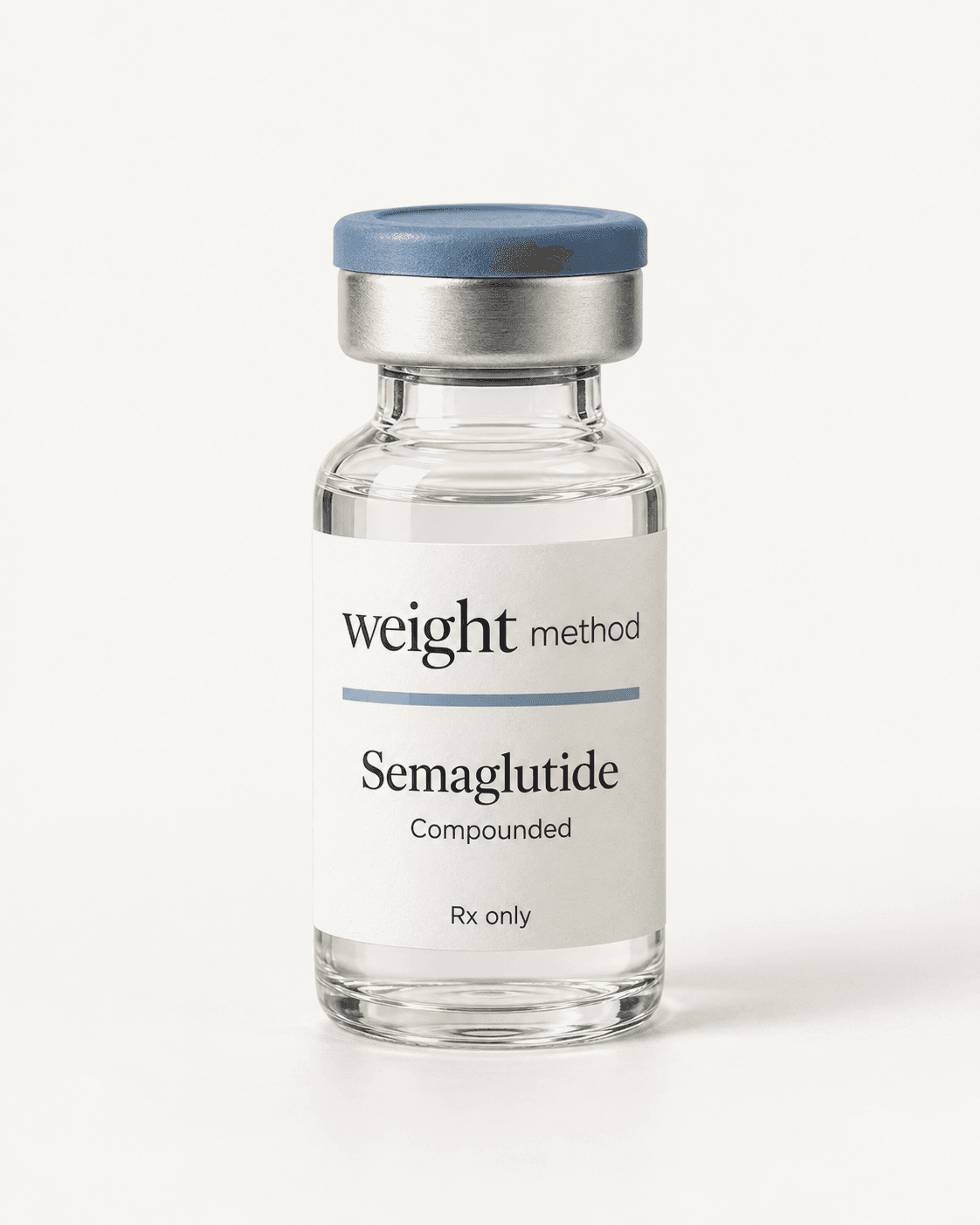
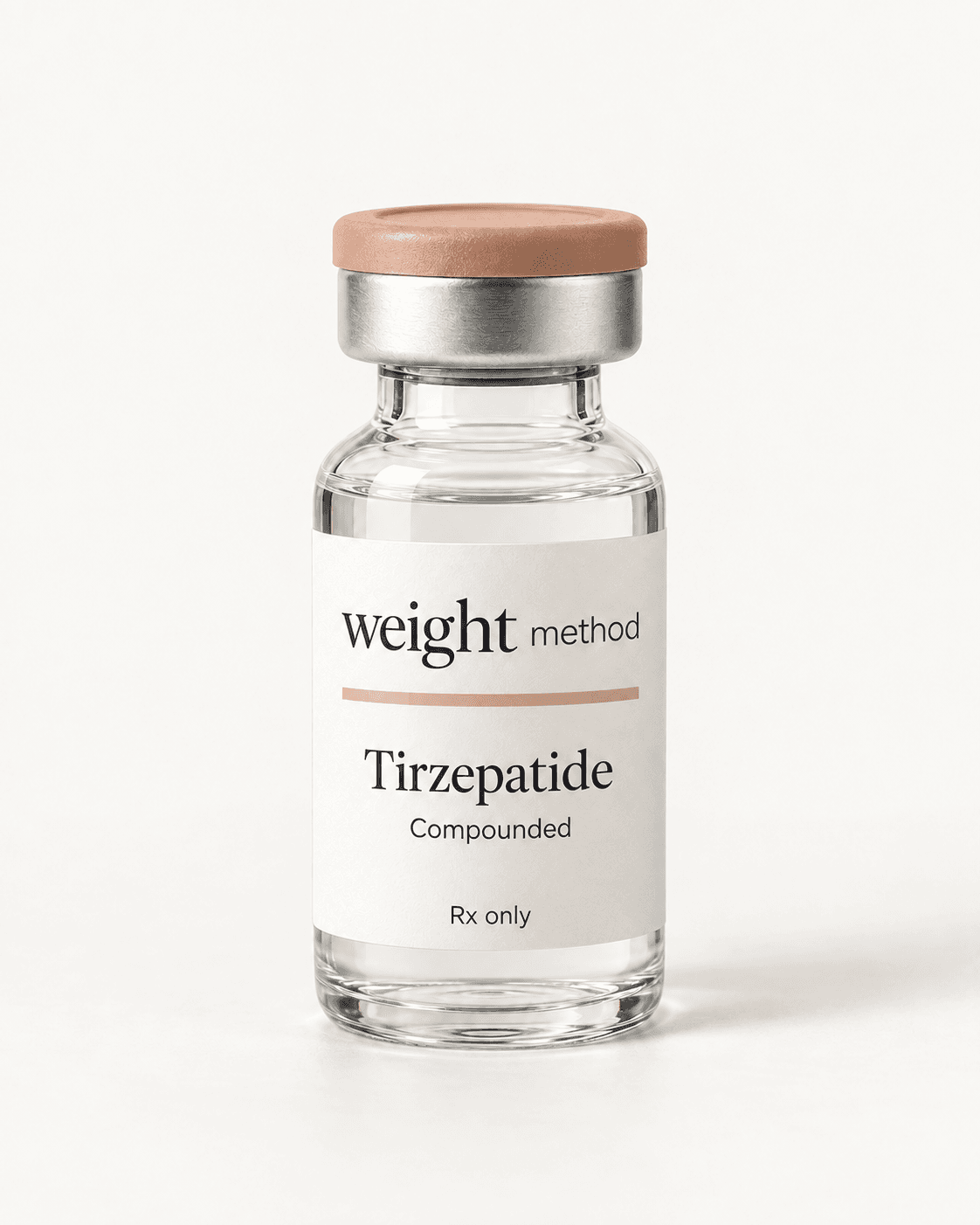
Ozempic (semaglutide, Novo Nordisk) and Zepbound (tirzepatide, Eli Lilly) are two separate FDA-approved branded products with different active ingredients and different approved indications. Ozempic was FDA-approved in 2017 for type 2 diabetes; Zepbound was approved in 2023 for chronic weight management. They use different molecules: Ozempic acts on the GLP-1 receptor, while Zepbound acts on both the GLP-1 and GIP receptors. Weight Method does not dispense or prescribe either brand-name product; our program provides compounded semaglutide and compounded tirzepatide through licensed providers and U.S.-licensed pharmacies. Which medication is appropriate for you is a decision made by a licensed provider based on your individual medical profile.
Key Fact
Ozempic (semaglutide, 2017) is FDA-approved for type 2 diabetes. Zepbound (tirzepatide, 2023) is FDA-approved for chronic weight management. Different molecules, different FDA-approved indications, different manufacturers — and both are different from Weight Method's compounded program.
Source: FDA prescribing information (Ozempic; Zepbound)
Ozempic
Zepbound
| Ozempic | Zepbound | |
|---|---|---|
| Manufacturer | Novo Nordisk | Eli Lilly |
| Active Ingredient | semaglutide | tirzepatide |
| FDA Indication | Type 2 diabetes | Chronic weight management |
| FDA Approval | 2017 | 2023 |
| Formulation | Injectable pen | Injectable pen |
| Frequency | Once weekly | Once weekly |
| Available Doses | 0.25mg, 0.5mg, 1mg, 2mg | 2.5mg, 5mg, 7.5mg, 10mg, 12.5mg, 15mg |
| Avg. Weight Loss | 10-15% | 20-25% |
| Our Price | $199/mo | $329/mo |
Key Differences
Ozempic and Zepbound are different molecules with different FDA-approved indications (type 2 diabetes vs. chronic weight management). Ozempic acts on the GLP-1 receptor; Zepbound acts on both the GIP and GLP-1 receptors. Which medication and indication is clinically appropriate for any individual depends on that person's medical history and is determined by a licensed provider, not by a general comparison. Pricing through Weight Method reflects the two different compounded molecules — $154/mo for compounded semaglutide and $329/mo for compounded tirzepatide.
Verdict
Ozempic and Zepbound are distinct FDA-approved branded products with different active ingredients and different approved uses; neither is what Weight Method dispenses. The right option for an individual depends on that person's medical profile and is determined by a licensed provider. Your Weight Method provider can evaluate compounded options during your consultation.
Your Treatment Options
Compounded GLP-1 medications dispensed by U.S.-licensed 503A pharmacies.